The Journal / Planning
Getting Married in Spain as a Foreigner: The Full Guide
Civil vs symbolic ceremonies, the paperwork you really need and how to plan it all from abroad, without the stress.
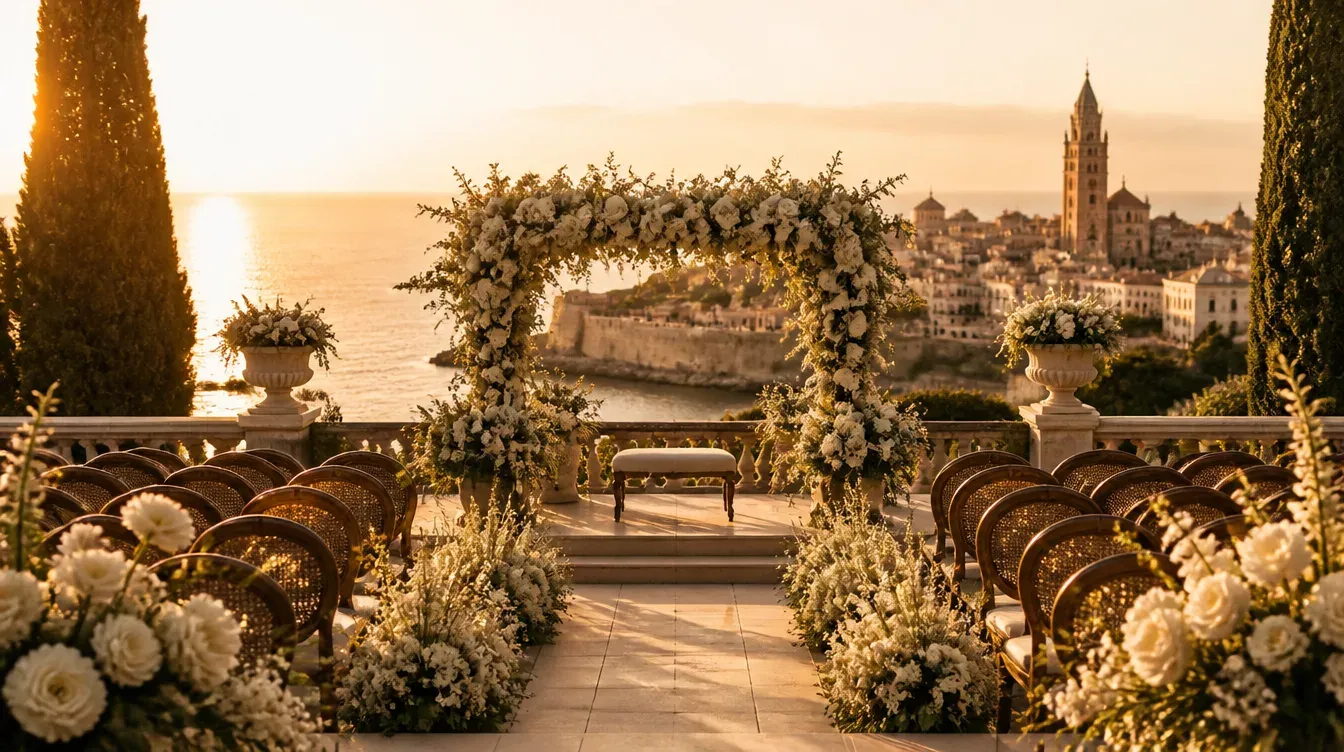
Yes, foreigners can get married in Spain, but the route matters. A legally binding civil wedding generally requires at least one partner to be a legal resident, so most international couples sign the legal paperwork at home and hold a symbolic ceremony in Spain. Catholic weddings can be possible for couples who qualify. Always confirm your case with the civil registry or your consulate.
You have fallen in love with Spain (the light, the food, the coastline) and you want to marry here. The first question every couple asks is practical: is getting married in Spain as a foreigner actually possible, and how complicated is the paperwork? The honest answer is that it is possible and very common, but the legal route matters. In this guide I explain the difference between civil, symbolic and religious ceremonies, the documents you will usually need, and how to plan it all from another country. (This is general guidance, not legal advice. Always confirm the details with the civil registry, your consulate or your planner.)
1. Can Foreigners Legally Get Married in Spain?

Yes, with an important nuance. A legally binding civil wedding in Spain generally requires at least one partner to be a legal resident, which most visiting couples are not. That single fact surprises many people.
The good news is that it does not stop you marrying in Spain. Most international couples complete the legal formalities in their home country and hold their real celebration, a symbolic ceremony, here. So when people worry about getting married in Spain as a foreigner, the reality is reassuring: you have options, and they are simpler than they sound once you know how the system works. For the bigger picture (regions, seasons and budget), read my guide to a destination wedding in Spain.
2. Civil, Symbolic or Religious: Which Ceremony
There are three routes to getting married in Spain, and most international couples choose the symbolic one. Here is how they compare:
| Ceremony type | Legally binding? | Best for |
|---|---|---|
| Civil | Yes, but usually needs residency in Spain | Couples who live in Spain or have time to meet requirements |
| Symbolic | No (legal part done at home) | Most international couples, with full freedom of place & format |
| Religious (Catholic) | Yes, if requirements are met | Practising couples who qualify with their parish |
A symbolic ceremony in Spain is the option many couples wish they had known about sooner. You sign the legal paperwork quietly at home, before or after, and then celebrate in Spain with no residency requirement and full freedom over the location, the words and the timing. It looks and feels exactly like a “real” wedding to you and your guests, because for you it is.
Civil weddings suit couples who live here or can meet the residency rules, while Catholic religious ceremonies remain an option for those who qualify. For most couples flying in, symbolic is the stress-free answer. If you choose a symbolic ceremony in a public place such as a beach, ask your planner or the local town hall whether any permission is needed.
3. The Paperwork You Will Need
Exact requirements vary by region and by your home country, but for a symbolic celebration the legal documents are handled at home and the rest is light. As a general starting point, expect to gather the following:
Typical documents you will need
- Valid passports of both partners.
- Full birth certificates (apostilled and translated).
- Certificate of no impediment / single status.
- Decree absolute or death certificate, if previously married.
- Proof of address and, for civil weddings, padrón / residency.
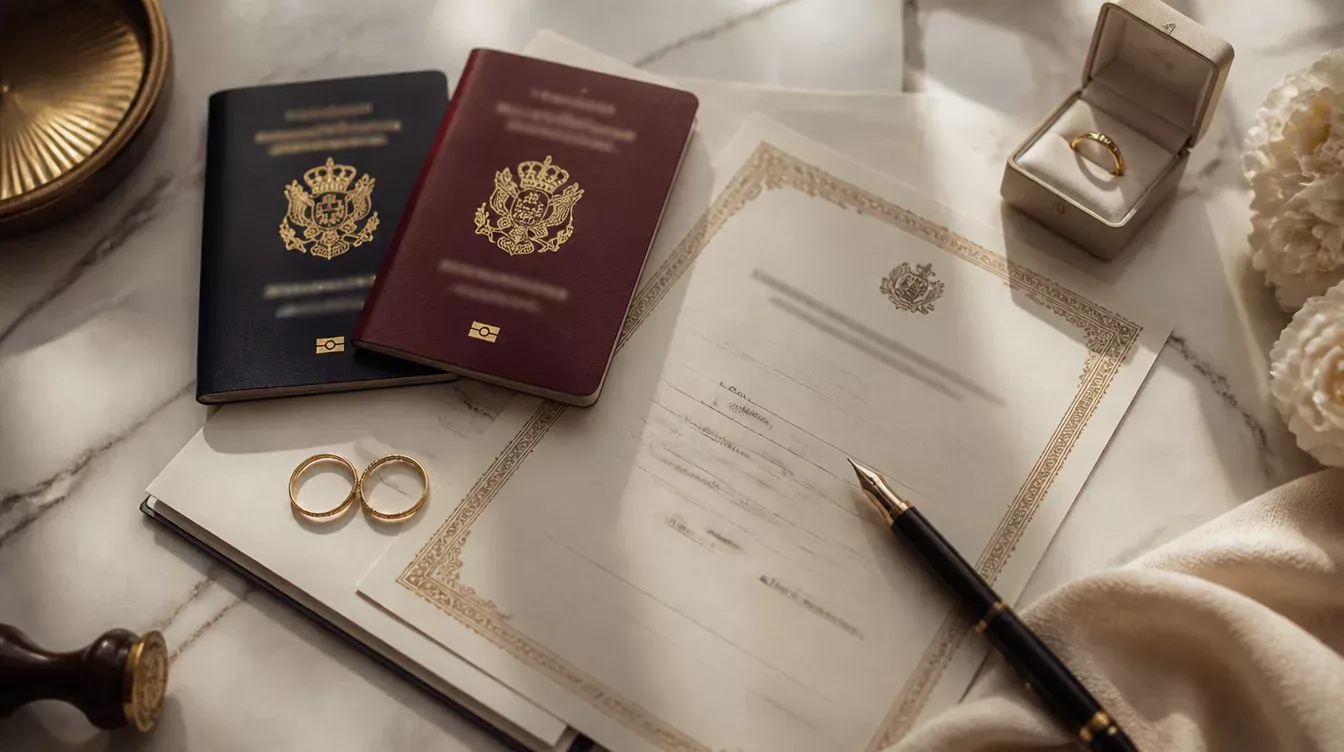
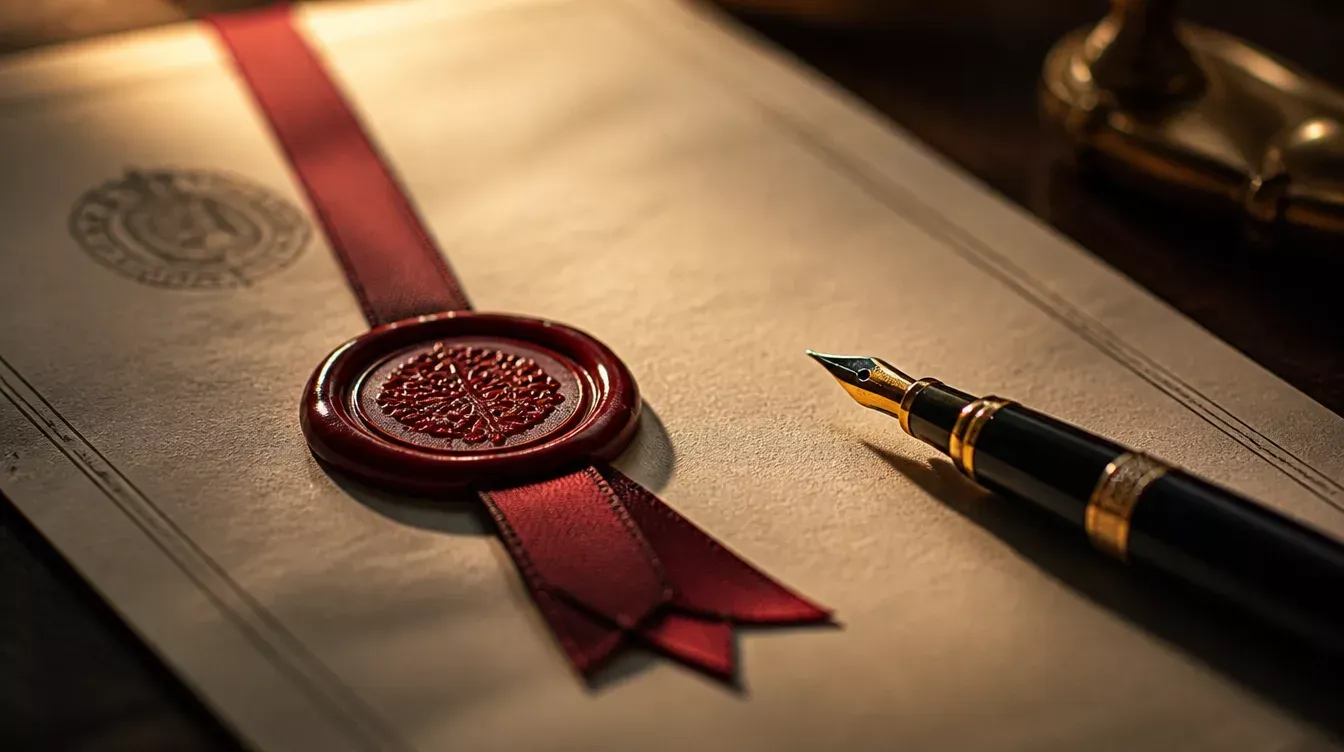
The golden rule is to start early. Documents like a certificate of no impediment have expiry dates, and apostilles plus official translations take time. For a civil wedding the list is longer and the residency paperwork stricter, which is why a local wedding planner or a specialised lawyer is so useful: they know how each town hall works. Treat this list as a starting point, not a final checklist, and confirm the exact documents with the civil registry or your consulate before you request anything. For a symbolic ceremony you can relax: the heavy paperwork stays at home, and Spain becomes the backdrop to your celebration.
4. How to Plan Your Wedding in Spain from Abroad


Planning from another country is easier than it sounds. A simple order that works:
- 12 to 18 months before: choose your region and venue, then decide your ceremony type so the paperwork timeline is clear.
- Soon after: book a local wedding planner for legalities, suppliers and on-the-ground knowledge, and lock in your photographer and videographer, since the best book out far in advance.
- Next: plan a short scouting trip or do video calls to see venues.
- At least eight months out: send save-the-dates so guests can arrange travel.
Handle the rest by email and video call, and marry in Spain with everything calmly in place. My wedding planning checklist and timeline breaks every stage down, and my guide on how much a wedding in Spain costs helps you set the budget.
5. Why the Film Matters Even More
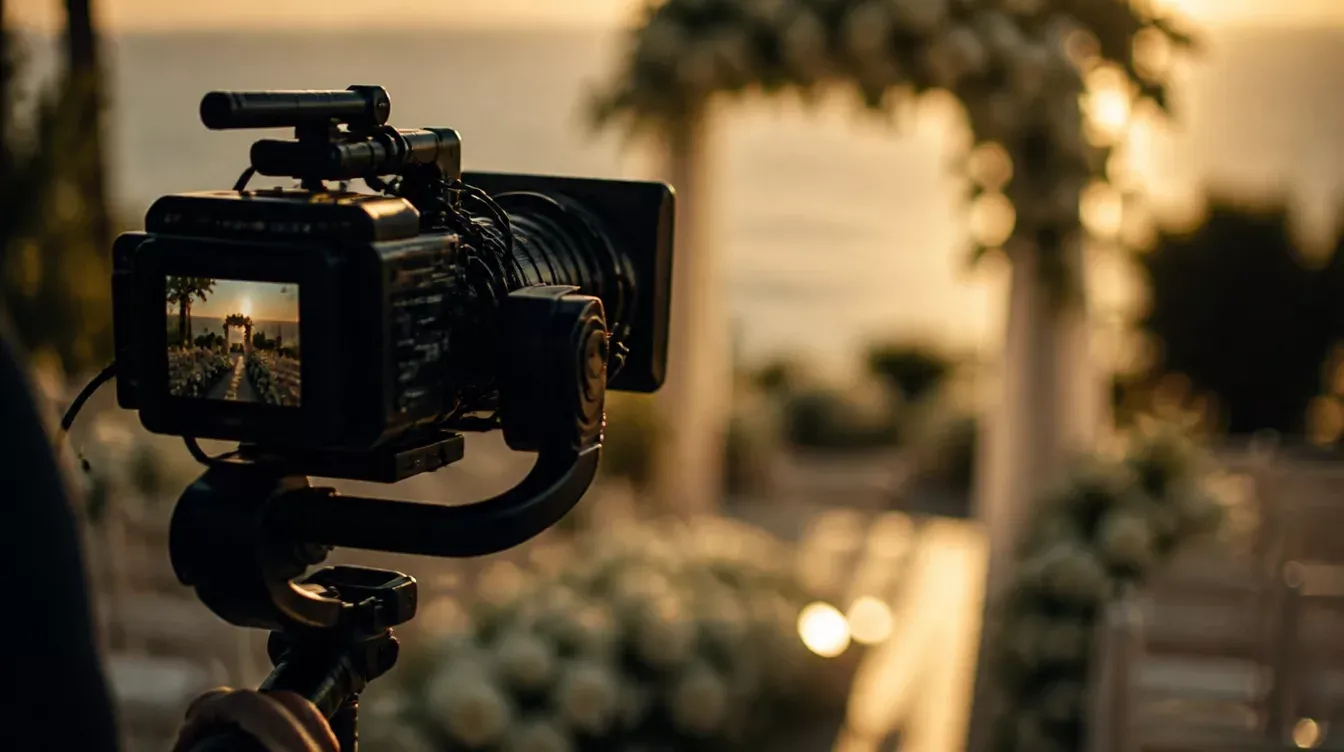

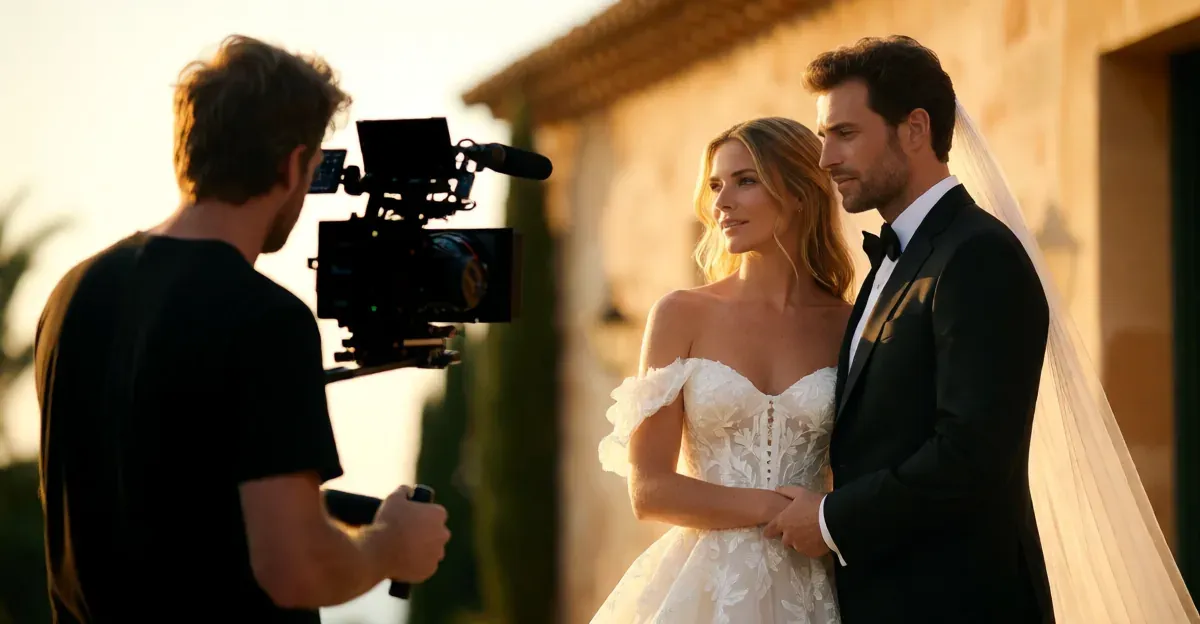
When you marry abroad, some of the people you love most cannot be there, and you live the day far from home. That is why the film matters even more at a destination wedding. A wedding film lets you share the day with family who could not travel, and relive the vows, the speeches and the Spanish sunset for years.
In a symbolic ceremony you also write your own words, and those words deserve clean sound. As a filmmaker, I make sure the vows are recorded clearly, because they are often the part couples and their families rewatch most. You can see how I film weddings for international couples on my destination wedding videographer in Spain home page.

If you are reading this, your wedding matters, and it matters to me too. I am Ismael, a wedding filmmaker based in Spain who films destination and international weddings. I help couples from abroad turn their Spanish celebration into a film they can share with the loved ones who could not be there. If you are planning to marry in Spain, tell me your date and venue and we can talk about your day.
Questions
Can two foreigners legally marry in Spain?
A legally binding civil wedding in Spain generally requires at least one partner to be a legal resident, which most visiting couples are not. The common solution is to complete the legal marriage at home and hold a symbolic ceremony in Spain. Confirm your own case with the Spanish civil registry or your consulate.
What is a symbolic ceremony?
A non-binding celebration with full freedom of location, words and timing. You handle the legal paperwork in your home country before or after, and celebrate your wedding day in Spain the way you imagine it.
How long does the paperwork take?
For a symbolic ceremony, very little is needed in Spain. For a civil or religious wedding, allow several months for apostilles, translations and residency documents, and start early, as some certificates expire.
Can we have a Catholic wedding in Spain as foreigners?
It can be possible for practising couples who meet the Church's requirements. The process usually goes through your home parish and the parish in Spain, so ask both as early as possible.
Do our documents need to be translated?
For a civil or religious wedding, foreign documents usually need an apostille and an official translation into Spanish. The exact list depends on your country and the registry, so check with the civil registry or your consulate before you start.
Who can confirm the legal requirements for our case?
The Spanish civil registry where you would marry, or your country's consulate or embassy in Spain. A local wedding planner or a lawyer who handles international marriages can help you prepare the documents.