The Journal / Wedding film
Wedding Videographer Spain: How to Choose the Right One
A practical guide for couples planning a destination wedding in Spain, and how to make sure your day is filmed the way you will want to remember it.
To choose the right wedding videographer in Spain, watch at least one complete film (not only a trailer), check that their style matches yours, confirm they have filmed weddings in Spain before, ask how they back up footage and record sound, and pay attention to how they communicate with you. Book 8 to 12 months ahead for May to October dates.
You only get to live your wedding day once, but if it is filmed well you can feel it again for years. For couples travelling from abroad, choosing a filmmaker is also one of the harder decisions: you are booking someone you have never met, in a country you may not know well. I am Ismael, a wedding filmmaker based in Spain, and these are the five things I would look at if I were in your place. You can watch the films on my wedding videographer in Spain home page with a sharper eye once you have read them.
1. Watch Full Films, Not Just Highlight Reels
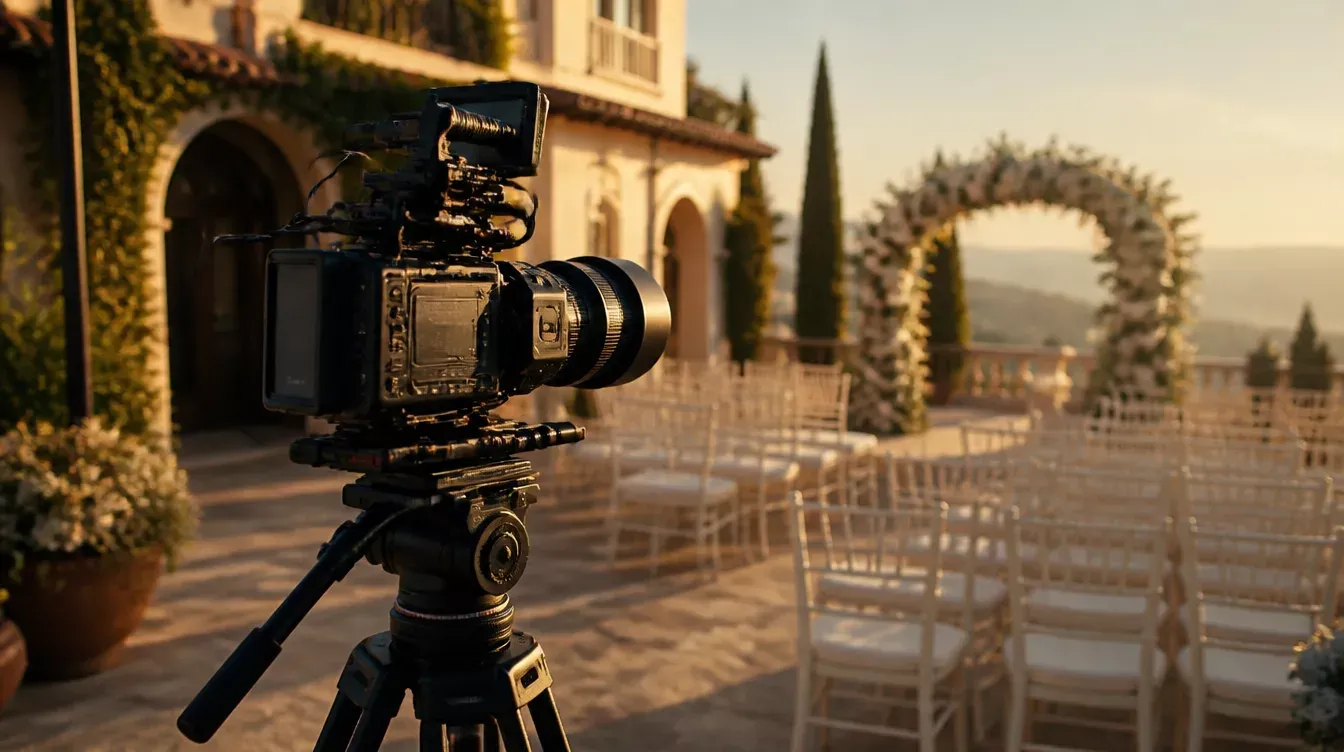
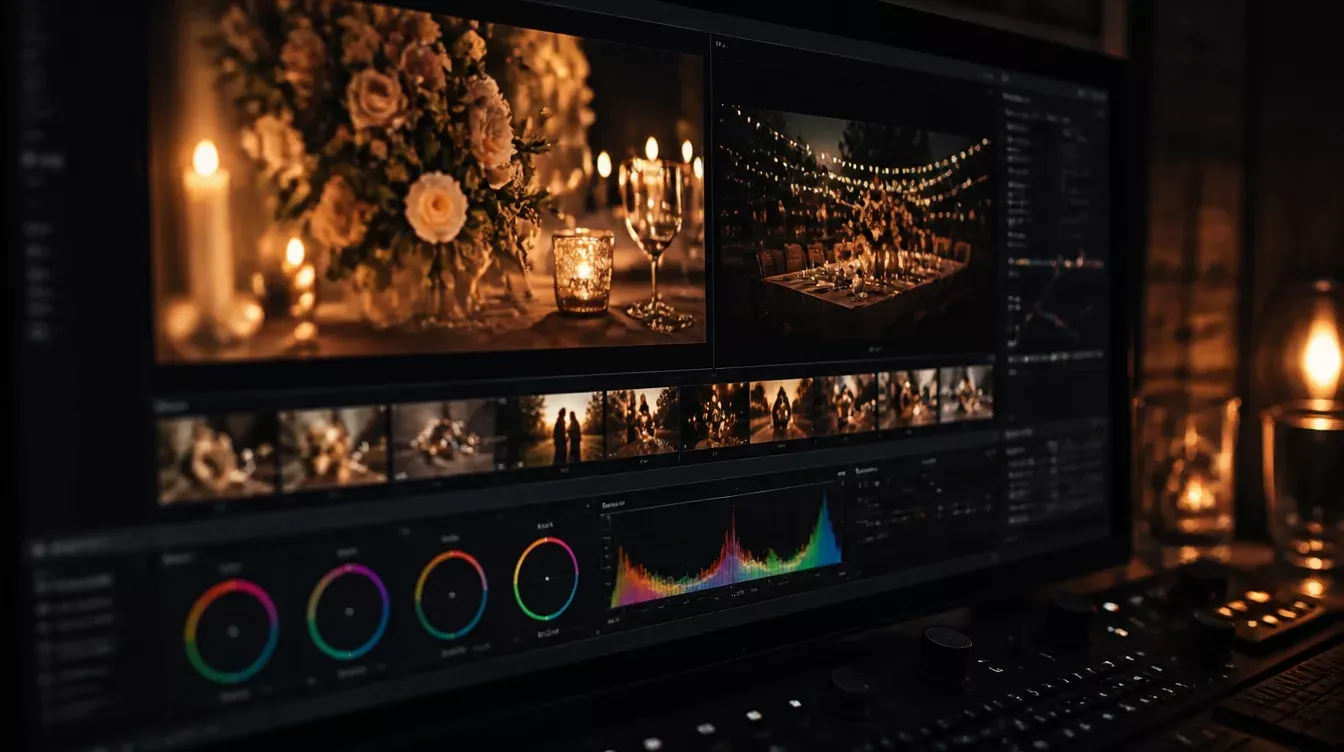
A three-minute trailer can be cut well from almost any wedding. That is the easy part. The real test is a full film. Does the story breathe? Do the emotional moments land? Is the audio clean when someone is speaking?
Ask any wedding videographer in Spain for one or two complete films, not only the social media teasers. Listen to how the vows and speeches are mixed, and watch whether quiet moments are held or rushed. The full film is what you will actually rewatch on your anniversaries, so judge a filmmaker on that.
2. A Cinematic Style That Tells Your Story
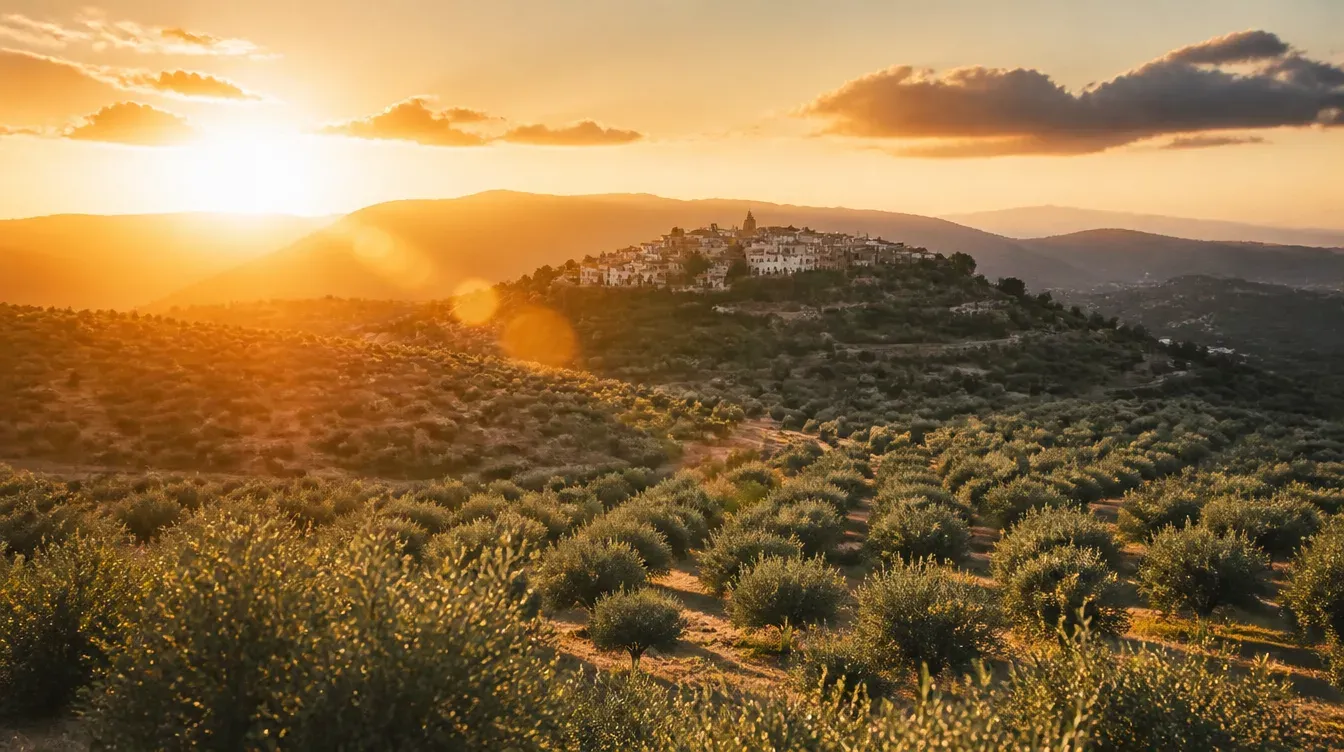
Style is the difference between a video and a film you feel. Some couples want a slow, romantic, almost documentary tone. Others want something fast and full of energy. Neither is better, but it has to match you.
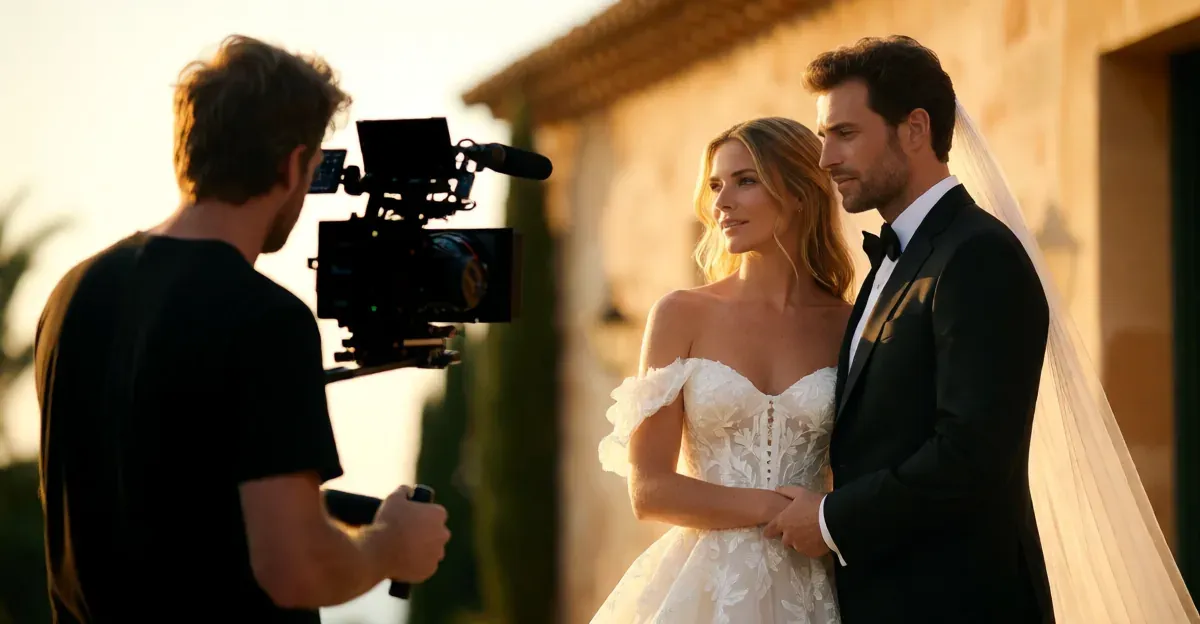
Look closely at colour, pacing and how the filmmaker uses light. Spain has long golden hours and strong landscapes, and a good wedding videographer knows how to turn that light into emotion. When I plan a wedding, I look at where the sun will be during the ceremony and the couple portraits, because that one detail changes how the whole film looks. Before you book, make sure the style you like runs through every film, not only one lucky wedding.
3. Real Experience Filming Weddings in Spain
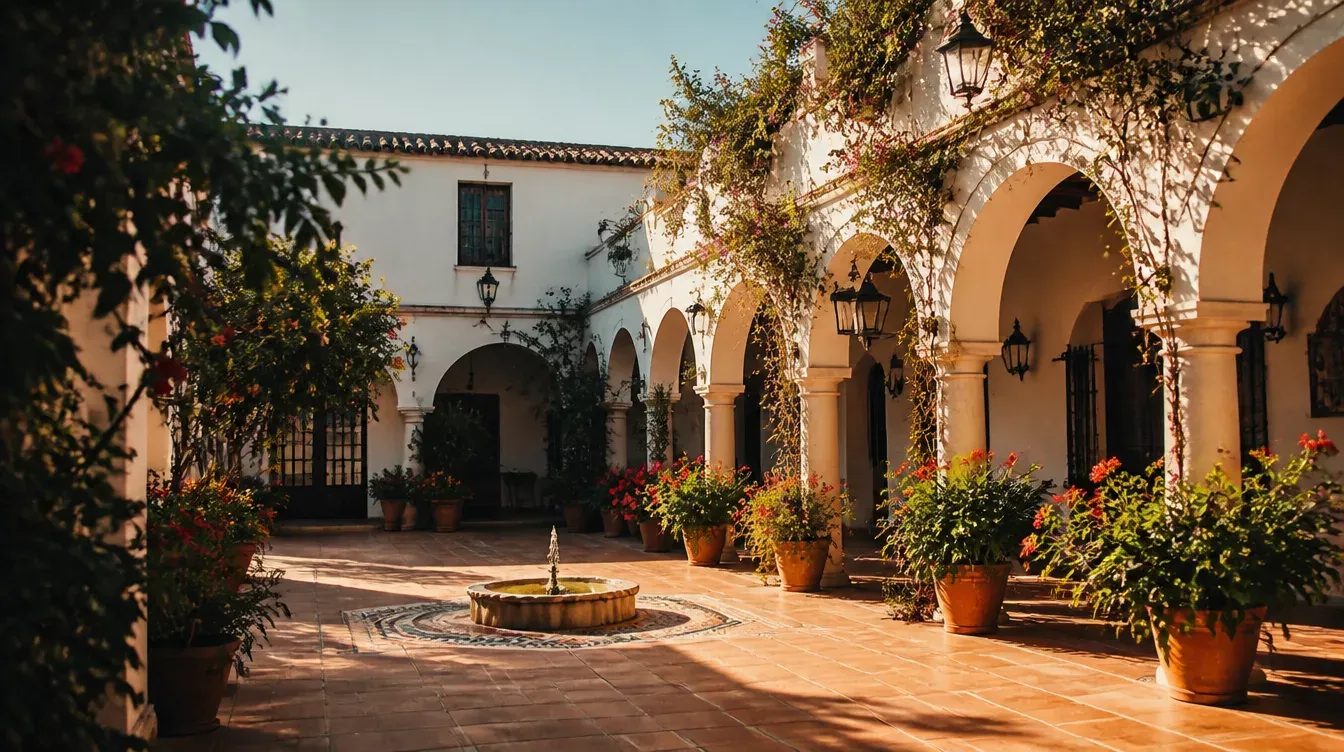
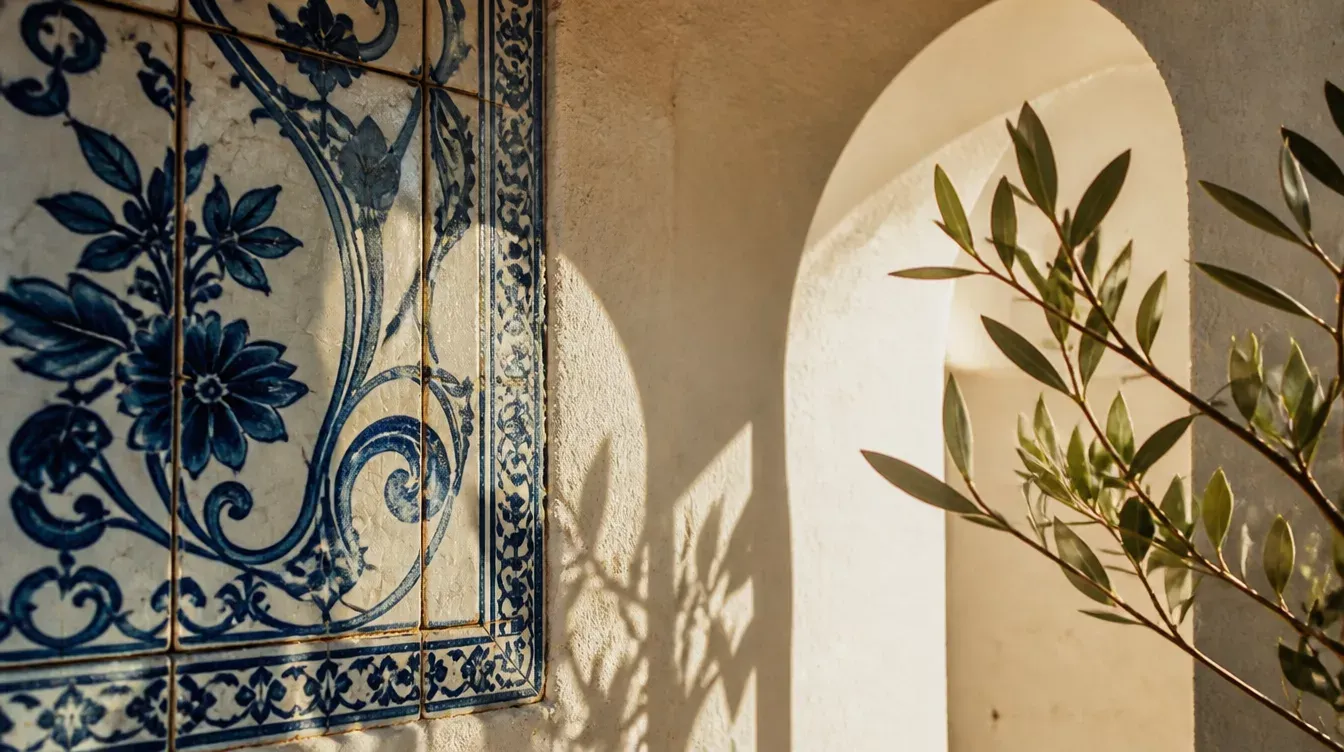
Filming a wedding abroad adds real complexity: changing Mediterranean light, venues with their own rules, long Spanish timelines that push dinner past midnight, and the language bridge between international couples and local suppliers.
Something I have learned filming weddings across Spain is that local knowledge saves the day more often than expensive gear. Knowing where the sun falls on an Andalusian courtyard at seven, or how a masia empties out for the first dance, lets you anticipate moments instead of chasing them. If your wedding is on the coast, it is worth looking at work filmed in similar light, for example my pages for a wedding videographer in Marbella or a wedding videographer in Mallorca. If you are still choosing where to marry, my guide to a destination wedding in Spain and my list of the best wedding venues in Spain are a good place to start.
4. Technical Reliability: Gear, Backups and a Calm Team
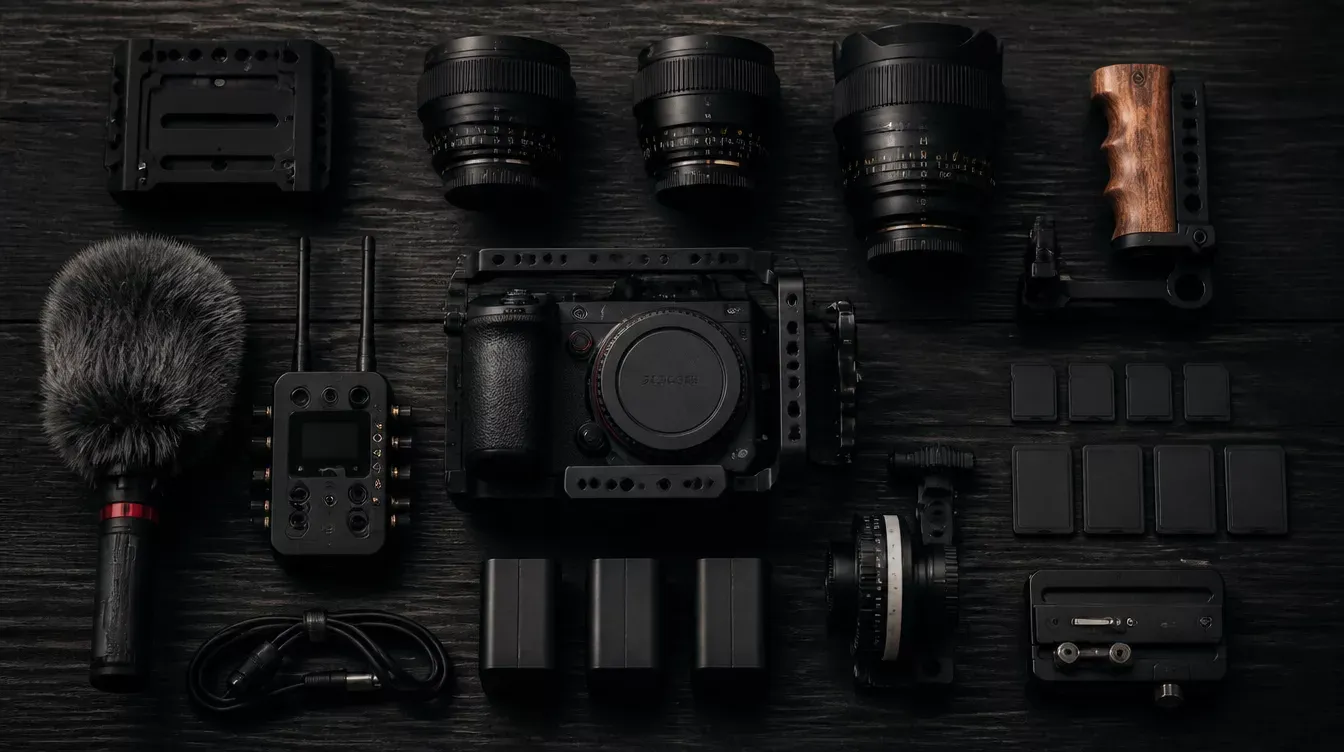
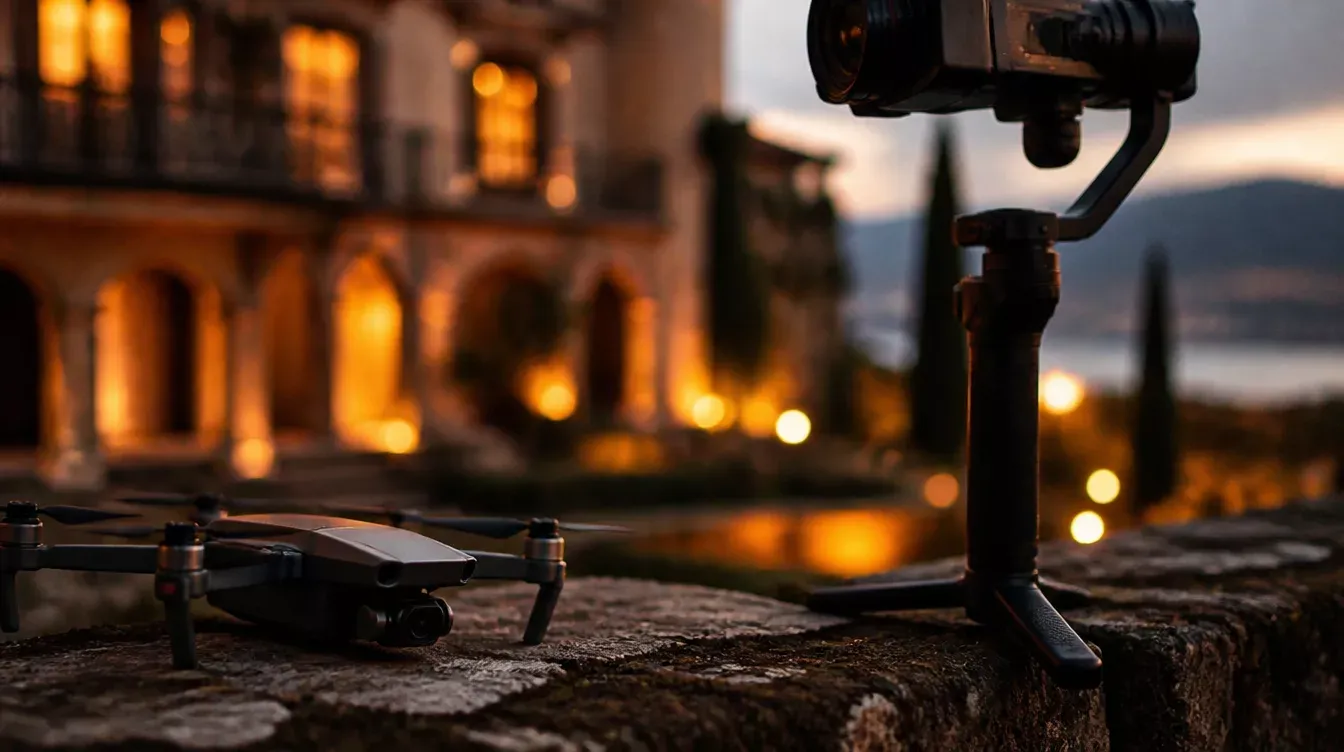
A wedding cannot be re-shot, so reliability is non-negotiable. Ask the practical questions:
- Are there backup cameras and separate audio recorders for the ceremony and speeches?
- Are files copied to two drives the same night?
- Is there a second operator for moments that happen at the same time, such as both of you getting ready in different rooms?
- How is sound captured outdoors, where wind and the sea can ruin a vow?
Professional gear (stabilisers, drones, discreet microphones) matters, but only in calm hands that never turn your celebration into a film set. Sound is the part couples tend to forget. In my experience it is what makes a film emotional: a voice breaking during the vows carries more than any drone shot.
5. The Human Connection Before and After the Day


You will spend more of your wedding day with your videographer than with almost anyone except your partner. That is why the human connection matters as much as the showreel. Notice how someone replies to your first message. Are they clear, warm and curious about your story?
A good filmmaker helps you forget the camera, which only happens when you trust the person behind it. Good coordination matters too. Before the wedding I talk with the photographer about the ceremony positions and the portrait time, so we share the light and never block each other. If you are still choosing yours, read my guide on how to pick a destination wedding photographer. The relationship does not end at the party either: clear communication about delivery dates and music keeps the months after the wedding as calm as the day itself.
When to Book and What It Costs
For peak dates between May and October, start talking to videographers 8 to 12 months ahead, earlier if you are set on a Saturday in June or September. Prices vary with hours of coverage, the number of operators, travel and what you receive. I have written a separate guide on wedding videographer cost with the usual ranges in Spain and what each type of package includes, so you can compare quotes fairly.

If you are reading this, your wedding matters, and it matters to me too. I am Ismael, a wedding videographer based in Spain who films destination and international weddings. You can read more about me and how I work, and if my films speak to you, tell me your date and venue and we can talk about your day.
Questions
How far in advance should I book a wedding videographer in Spain?
For peak dates from May to October, book 8 to 12 months ahead. Experienced filmmakers take a limited number of weddings per year and popular Saturdays go first, so booking early also gives you time to plan travel and the timeline together.
Do you travel across all of Spain for weddings?
Yes. I film destination weddings throughout Spain, from the Mediterranean coast and the islands to Andalusia and the countryside. Travel and logistics are agreed in writing before you book, so there are no surprises in your quote.
What is the difference between a highlight film and a full wedding film?
A highlight film is a short, emotional edit of 3 to 6 minutes. A full film is a longer, documentary-style piece that keeps the ceremony, vows and speeches. Most couples choose both, and the longer version is the one you rewatch most.
What should I ask a wedding videographer before booking?
Ask to see one or two complete films, how ceremony and speech audio is recorded, whether there are backup cameras and recorders, how many operators will be there and when the films are delivered. Clear answers to these questions tell you more than any showreel.
Do I need a videographer who speaks English?
If you are an international couple, yes. Your videographer needs to understand your vows and speeches to edit them well, and needs to talk easily with you, your planner and your guests on the day.
Should my videographer and photographer know each other?
It helps, but it is not essential. What matters is that both are used to sharing the space calmly. A short call between them before the wedding, to agree positions for the ceremony and the portraits, avoids most problems.